Nutrixe
Coffee is gluten free. So is Coca-Cola, like most soft drinks. The trap lies elsewhere: in barley coffee, ordered in Italy like an espresso, in malted drinks, and in some chocolate powders that contain wheat flour. Here is what you can drink without thinking about it, and what needs reading.
Plain coffee
A coffee bean is the seed of a fruit, roasted. There is no cereal in a cup of espresso or filter coffee. The AIC, Italy’s coeliac association, lists coffee, decaf, pods and capsules as permitted. The DZG, in Germany, names coffee among the safe breakfast drinks.
The AIC even looked at paper pods: according to Italian manufacturers, their casing is made of cellulose and resin, with no gluten. So they are fine as long as they contain pure coffee. Pods for other hot drinks — chocolate, cappuccino, ginseng — are classed as at risk.
Instant coffee is an in-between case: the AIC classes it as “at risk”, not prohibited. Pure instant coffee is still coffee; it is 3-in-1 sachets, cappuccino powders, creamers and flavoured mixes that add ingredients worth checking.
Barley coffee: the real trap
This is the point of the article. Barley coffee contains gluten, because it is made from roasted barley. And it is drunk far more than you might think in three countries:
- In Italy, people order “un orzo” at the bar the way they would order an espresso, in a small or large cup. It also comes in capsules and instant form.
- In Germany, Caro Landkaffee is a classic. Nestlé lists its composition on its website: barley, barley malt, chicory and rye — two gluten cereals out of four ingredients.
- In Brazil, café de cevada is sold as a caffeine-free alternative.
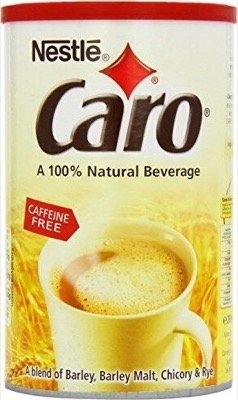
The AIC classes coffee substitutes and barley-based drinks as prohibited, unless labelled gluten free. Some barley coffees are indeed processed to bring gluten below 20 ppm. Even for those, the association suggests moderate or occasional consumption: the gluten has been reduced, it was not absent to begin with.
Ginseng coffee, another Italian bar favourite, is often an instant preparation with several ingredients. The AIC classes it as “at risk”: avoid it unless it says senza glutine.
Pure chicory is a roasted root, with no cereal. It is “chicory and cereal” blends and “grain coffees” that need reading.
In Brazil, one more trap. Adding barley or maize to ground coffee is a known form of fraud. The coffee roasters’ association, ABIC, has awarded a Selo de Pureza (purity seal) since 1989 to coffees checked for added cereals. On a Brazilian label, look for “contém glúten” or “não contém glúten”, compulsory since a 2003 law.
Capsules and flavoured coffees
Capsules of pure coffee raise no particular issue. Nespresso’s FAQ, checked in September 2026, states that its coffees contain no allergens, gluten included. It also clarifies a useful point: when a description mentions “malty” or “cereal” notes, these are natural aromas of the bean, not an added ingredient.
What needs reading are capsules for other drinks — chocolate, cappuccino, milk, barley — and flavoured coffees, beans or ground, which may contain a flavouring of unstated origin. In the UK and EU, if barley or wheat is in the recipe, it must be emphasised in the ingredients list. That is what the Nutrixe scanner picks up: “barley”, “orzo”, “cevada”, “Gerste” or “malt” in the list, and the verdict turns red.
Coca-Cola and soft drinks
Coca-Cola’s French website states that the drink contains none of the fourteen allergens listed in EU Regulation 1169/2011, which include cereals containing gluten. The AIC lists colas, lemonades, tonics and fizzy drinks, including light and zero versions, as permitted.
Soft drinks are hardly ever the problem. The one exception to keep in mind: malted drinks and “alcohol-free beers”, which are usually still barley beers unless labelled gluten free. We cover them in our article on gluten-free beers.
Hot chocolate and malted drinks
Here, recipes vary a lot from one brand to another, and from one country to another.
The AIC classes drinking chocolate and cappuccino mixes as “at risk”: they may contain malt, flour or biscuit pieces. The German DZG, for its part, lists pure cocoa powder as safe. Cocoa is not the problem; what is added to it can be.
| Product | What the source says | Gluten |
|---|---|---|
| Ovomaltine | Official FAQ (Swiss site): “largely made of barley malt extract”, not recommended for people intolerant to gluten | Yes |
| Banania Traditionnel (France) | Ingredients recorded on Open Food Facts: biscuit cereals (wheat flour, barley flour, malted wheat) | Yes |
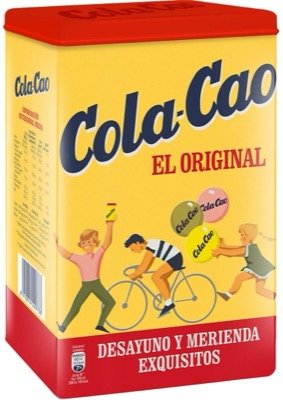
| ColaCao Original (Spain) | Official FAQ: contains wheat flour | Yes |
| ColaCao Sin Gluten, ColaCao Puro (Spain) | Official FAQ: gluten free | No, according to the brand |
| Nescau (Brazil) | Official website: “CONTÉM GLÚTEN”, may contain oats, barley and wheat | Yes (compulsory statement) |
Sources checked in September 2026. Recipes change: the label on the product in your hand is what counts.
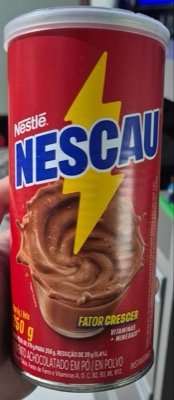
Nescau is an instructive case: no gluten cereal in the ingredients list, but the statement “contém glúten”, together with a “may contain oats, barley and wheat”: it is the contamination risk being declared. In Brazil, the law requires every food to say one or the other.
For malted drinks, the rule is simple: malt is sprouted barley, and it is the whole point of the drink. Our article on malt explains the words that mislead (maltodextrin, maltose) and the ones that do not.
At the café and in chains
At the counter, the coffee itself is rarely the risk. Three things are more likely to be:
- Oat milk. Now the base of many lattes, it is made from oats, often contaminated with wheat unless certified. The AIC classes oat-based drinks as “at risk”. We explain why in our article on oats.
- Syrups and toppings. Biscuit crumble, “cookie” flavours, cereal on the foam: they bring the gluten, not the espresso.
- What comes with it. The little biscuit on the saucer, the speculoos, the cantuccio.
The big chains each have their own practices: we have a dedicated article on Starbucks.
The Nutrixe database lists 300 cafés that are 100% gluten free, where you can order the cup and whatever comes with it without asking questions. A few examples:
- Caffè Valiani senza glutine, Pistoia — a historic pastry shop and bar, entirely gluten free, for an Italian-style breakfast.
- Les douceurs d’Hélène, Nîmes — a 100% gluten-free coffee shop with speciality coffee, banana bread and cookies; rated 4.8.
- Rada Coffee & Rösterei, Heidelberg — a roastery and café-restaurant, 100% gluten free, serving Venezuelan food made with maize flour.
- TACCOFF, Buenos Aires — a certified sin TACC café-bakery in Palermo with speciality coffee; 4.4 from more than 2,500 reviews.
- Pandan, São Paulo — a 100% gluten-free restaurant and café founded by a coeliac.
Photos and ingredient lists: Open Food Facts, a collaborative open-licence database, retrieved on 26 September 2026. Recipes change: the label on the packet in your hand is what counts.
In short
- Coffee beans, ground coffee, decaf, capsules and pure-coffee pods are gluten free.
- Barley coffee (orzo, cevada, Caro) contains gluten; even when labelled gluten free, the AIC advises moderation.
- Instant coffee, ginseng coffee, cappuccino powders and creamers: check first.
- Coca-Cola and regular soft drinks are gluten free.
- Chocolate powders: pure cocoa is fine, mixes need reading; Ovomaltine and Banania contain gluten.
Not sure about a tin? The Nutrixe scanner reads the ingredients list and spots barley, malt or wheat where you do not expect them, in every language on the label. Discover the app.