Nutrixe
Bread is the first loss after a diagnosis, and the first aisle where you go looking for a replacement. You will find everything there: soft, sweet packaged sandwich loaves, seven-euro baguettes from dedicated bakeries, sourdough buckwheat breads that hold their own against wheat bread, and, in the window of the bakery down the road, a “gluten-free” loaf you had better not buy. Here is how to find your way.
Three families of bread
Packaged industrial bread. Sandwich loaves, rolls, part-baked baguettes, sold in supermarkets or health food shops, labelled gluten-free and often carrying the crossed grain symbol. Upsides: safe (made in a dedicated or controlled factory), available everywhere, long shelf life. Downside: the recipe. Many are built on starches (corn, rice, tapioca, potato) rather than flours, with thickeners for structure, sugar, and sometimes gluten-free wheat starch, allowed below 20 ppm, but flagged by the Nutrixe scanner and avoided by a good number of people with celiac disease.
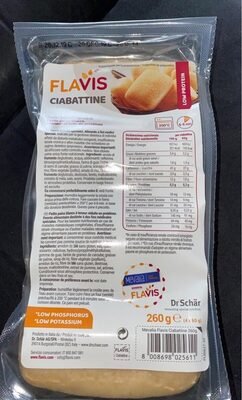
Photo and ingredient list: Open Food Facts, an open-licence collaborative database, recorded on 5 September 2026. Recipes change: the label on the pack in your hand is the one that counts.
Bread from a dedicated bakery. Made in a fully gluten-free bakehouse, often with sourdough and real flours: buckwheat, brown rice, teff, millet, chestnut. This is the bread that comes closest to wheat bread, crust, crumb and taste, and the only one with real character. It is expensive, it does not keep well, and it does not exist everywhere: our map lists 100% gluten-free bakeries, and we have listed the French ones.
Homemade bread. The cheapest option, described in our article on eating gluten-free on a budget: flours labelled gluten-free, psyllium for structure, yeast or a rice sourdough starter. The first loaves disappoint, the next ones improve, and a bread machine solves a lot of problems.
What to read on the label
The aisle has its codes, and they fit into four lines of the ingredient list.
- The first three ingredients. If they are water, corn starch and potato starch, the bread will be soft, white, sweet and quickly stale. If they are buckwheat flour, brown rice flour and water, you have a loaf with body and fibre.
- Wheat starch. Written as WHEAT starch, sometimes followed by gluten-free. Compliant, but the call is yours; the dedicated article explains the debate.
- Sourdough or yeast. A sourdough loaf (rice, buckwheat) has more flavour, keeps a little better and is often easier to digest. The word sourdough on a gluten-free bread is a good sign of a carefully built recipe.
- Sugars and thickeners. A long list of thickeners (hydroxypropyl methylcellulose, gums, added fibres) plus sugar high on the list means the missing gluten is being compensated with chemistry. It is not dangerous, it is just less good.
And always the gluten-free statement spelled out, with or without the crossed grain symbol: a buckwheat loaf without that statement may have been milled or kneaded surrounded by wheat.
The “gluten-free” loaf from an ordinary bakery
This is the trap, and it is a common one: a conventional bakery offering, next to its baguettes, a gluten-free loaf made with rice or buckwheat flour. The recipe may well be faultless. The bakehouse is not. Wheat flour hangs in the air, sits on the worktops, lines the oven, coats the baker’s hands; a loaf kneaded there contains gluten without having any in its recipe. We explain this in detail in how to spot a genuinely gluten-free bakery and in our article on cross-contamination.
For anyone with celiac disease, the rule is simple: bakery bread is only safe if the whole bakery is gluten-free. Otherwise packaged industrial bread, for all its flaws, is the safer choice.
Safe to eat
A fully gluten-free bakery
- Dedicated bakehouse, no wheat flour
- Often sourdough, with real flours
- The only bakery bread safe for celiacs
Avoid
A "gluten-free" loaf from an ordinary bakery
- Wheat flour hanging in the air
- Worktops, oven, the baker's hands
- Gluten in the loaf, not in the recipe
Keeping it, and eating it
Gluten-free bread goes stale fast, whatever the family: less gluten, less water retention. The method that works is the same for everyone:
- Slice the bread as soon as you buy it, or as soon as it comes out of the oven.
- Freeze the slices, separated or in a bag.
- Take out one slice at a time and put it in the toaster: the heat brings back softness and crunch. A dedicated toaster, if the kitchen is shared, because it is public enemy number one.
At room temperature, one or two days; in the fridge, never, the bread hardens. Packaged sandwich loaves last longer while sealed, but they too are better toasted.
In short
- Three families: packaged industrial (safe, convenient, often starch-based), dedicated bakery (the best, expensive, rare), homemade (the cheapest).
- Read the first three ingredients, the wheat starch, the sourdough, the thickeners.
- Never a “gluten-free” loaf from a bakery that works with wheat.
- Slice, freeze, toast: the only storage method that works.
- The 100% gluten-free bakeries are on the Nutrixe map.
Scan the pack. The Nutrixe scanner reads the ingredient list of a packaged bread and shows you the wheat starch when it is there, gluten-free statement or not. Discover the app.